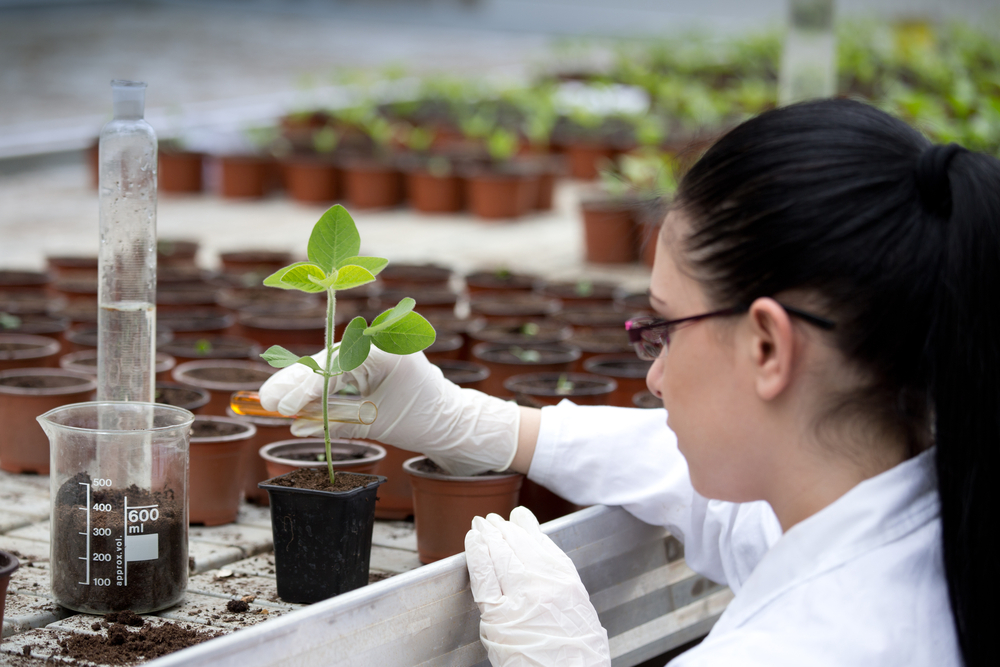
The Bachelor of Science in Agriculture (B.S.C. in agriculture) program is a comprehensive 4 year undergraduate journey designed to develop skilled agricultural professionals who drive sustainable farming, food security, and rural development. The program integrates scientific knowledge with field based practices, preparing students to address modern agricultural challenges through innovation, research, and technology.
Candidates must have successfully completed the Intermediate 10+2 examination with Physics, Chemistry, and Biology or Agriculture as compulsory subjects, securing a minimum of 50% marks. For candidates belonging to SC or ST categories, the minimum requirement is 45%.
Admission is subject to university and regulatory norms as applicable.
| Fees Structure | Amount |
|---|---|
| 1st Year Annual | 50000/- INR |
| 2nd Year Annual | 50000/- INR |
| 3rd Year Annual | 50000/- INR |
| 4th Year Annual | 50000/- INR |
At Future University, admission to the Bachelor of Science in Agriculture B.Sc Agriculture programme follows a transparent, merit driven and professionally structured selection process designed to nurture future agronomists, researchers, agriculture entrepreneurs and rural development leaders. Agriculture is not just cultivation of crops. It is science, sustainability, food security, innovation and nation building.
Admission Pathways for B.Sc Agriculture
Admissions are offered through one or more of the following routes
1.Qualifying Examination Merit
• Admission based on marks obtained in 10+2 Science stream
• Candidates must have studied Physics, Chemistry and Biology or Agriculture as core subjects
• Merit list prepared according to university norms and eligibility criteria
• Applicable for select seats
2.FUCET – Future University Common Entrance Test
Future University conducts its own entrance examination
• FUCET Future University Common Entrance Test
• Designed to assess aptitude in Physics, Chemistry, Biology, agriculture fundamentals and analytical ability
• Shortlisted candidates may be invited for counseling and document verification

Future University stands apart through its practice driven agricultural education, strong focus on research and sustainable development to commitment the transformation of rural areas. With field based learning, modern infrastructure, and strong placement support, the university prepares students to be an active agricultural professional.
• Industry aligned agricultural curriculum
• Strong focus on sustainable and smart farming practices
• Hands on training through experimental farms and field visits
• Four hundred plus research publications
• Startup and incubation support
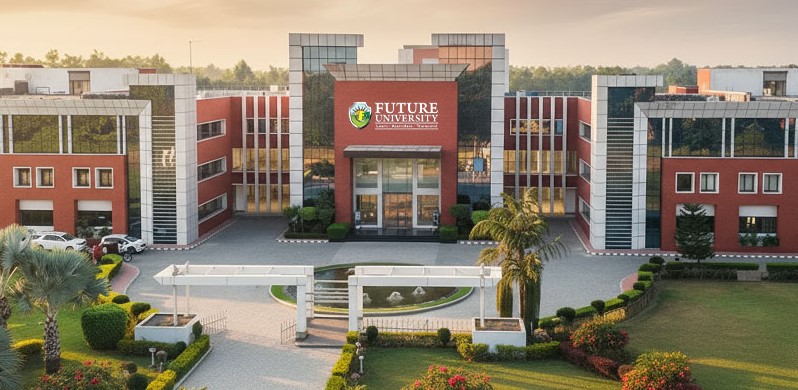
To nurture competent agricultural professionals who are innovative, ethically responsible, and capable of addressing global food and farming challenges. The department strives to foster scientific temper, sustainable thinking, and lifelong learning, empowering students to develop resilient, productive, and environmentally responsible agricultural systems for social well being and economic growth.
High-demand roles across global tech industries
₹5 to 8 LPA
Improve crop productivity through scientific crop management, soil health optimization, and sustainable farming practices.
₹6 to 10 LPA
Manage agricultural enterprises, supply chains, marketing operations, and agribusiness development initiatives.
₹5 to 7 LPA
Conduct agricultural research and field trials to support innovation in crop science, soil management, and agri technology.
₹4 to 6 LPA
Work with government and private organizations to implement agricultural policies, extension services, and farm development programs.




















• Build a strong foundation in agricultural sciences and farm management practices
• Prepare students for careers in agriculture, agribusiness, research, and extension services
• Deliver an industry aligned curriculum integrating theory with field based applications
• Develop analytical thinking and problem solving skills for real world agricultural challenges
• Provide hands on exposure to modern agricultural tools, technologies, and practices
• Industry aligned agricultural curriculum
• World class farm and laboratory infrastructure
• Practical and field oriented learning approach
• Expert faculty and agricultural professionals as mentors
• State of the art agricultural laboratories and farms
• Faculty with strong academic and field experience
• Internship opportunities and rural exposure programs
• Strong placement support and career guidance
• Agronomy and Crop Production
• Soil Science and Agricultural Chemistry
• Plant Breeding and Genetics
• Plant Protection and Crop Health
• Horticulture and Floriculture
• Agricultural Economics and Farm Management
• Agricultural Extension and Rural Development
• Sustainable and Organic Farming
• Agri Technology and Precision Agriculture

Where Intelligence Meets Innovation